Wienerberger / Koramic
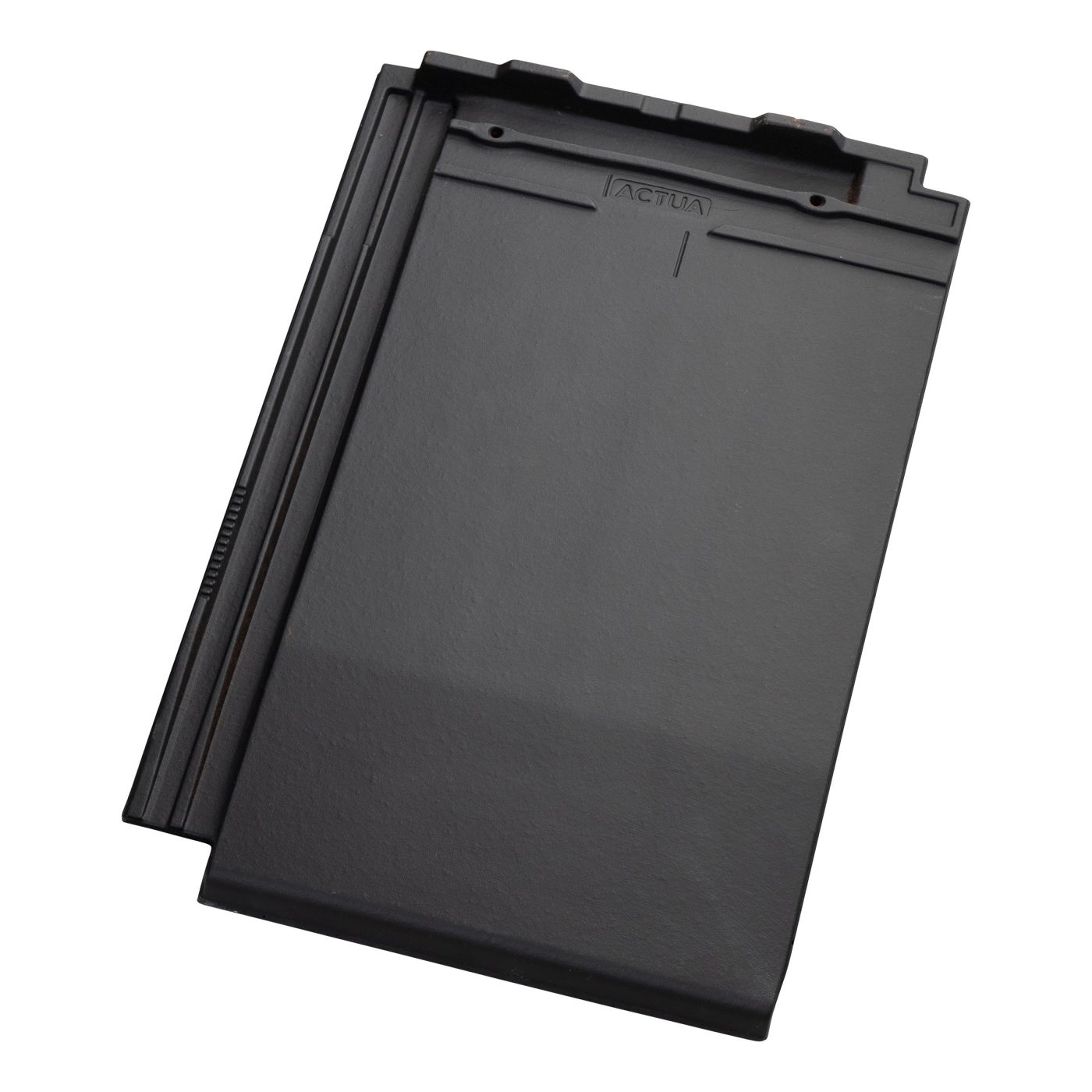
Actua 10 EB
Clay Flat
A flat model for a calm, contemporary roof. Choose matching verge and ridge components from the same series.
View modelTILED ROOF SPECIALISTS
Compare 45 model series by brand, material and shape. View available product photos and keep your favourites in your roof plan.
A flat model for a calm, contemporary roof. Choose matching verge and ridge components from the same series.
View model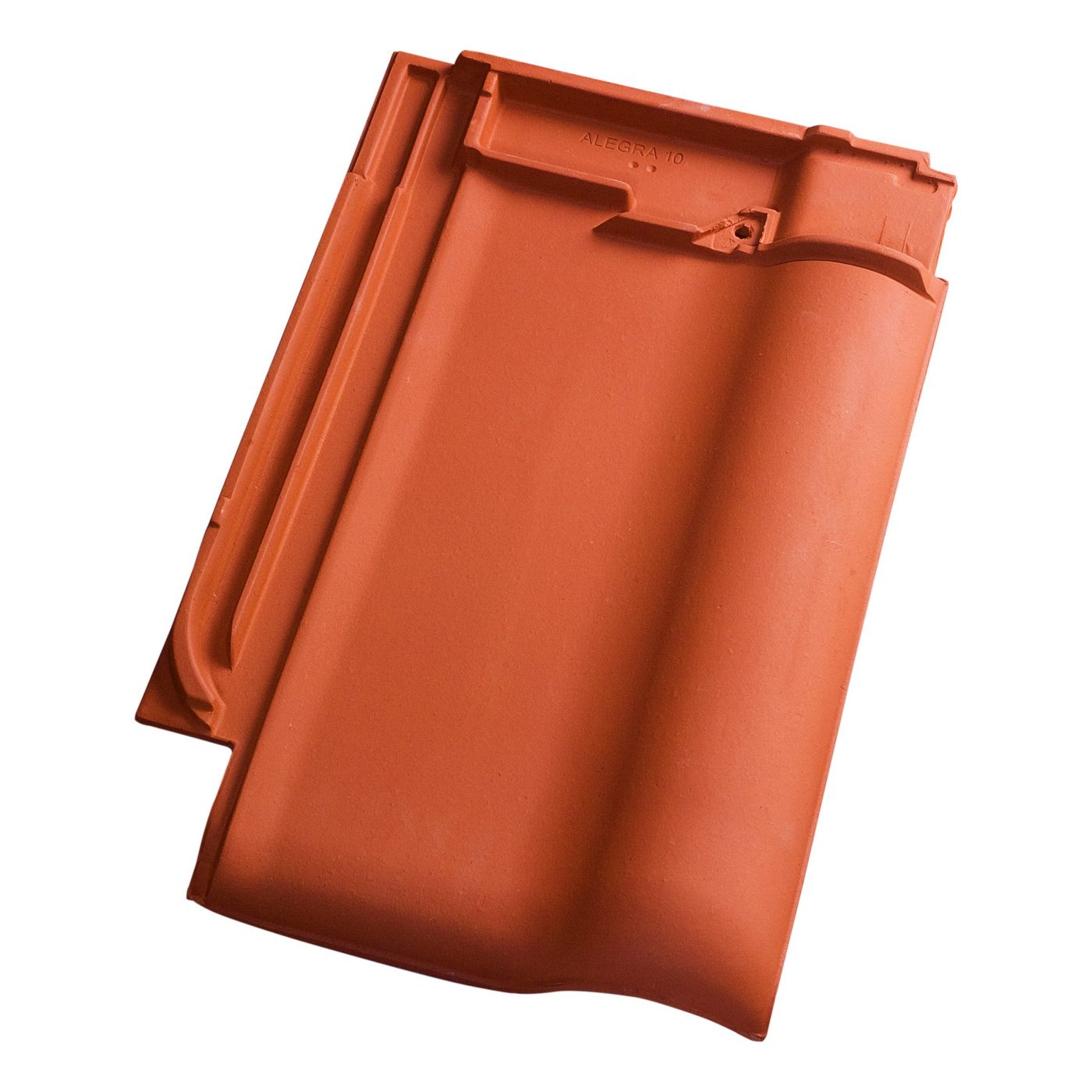
A clay tile from the Alegra family. Check the specific dimensions and effective coverage before comparing quantities.
View model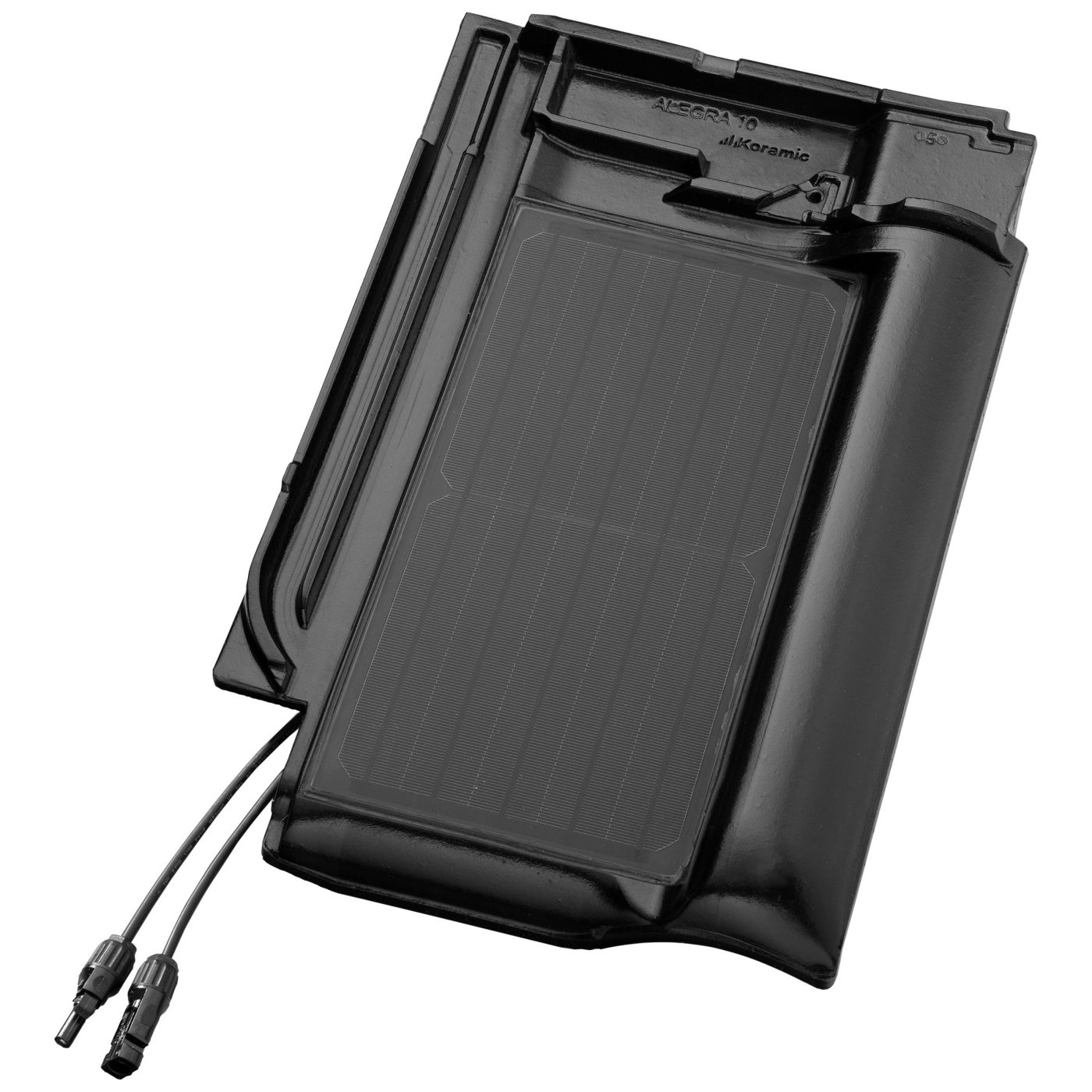
Part of the Wevolt energy roof programme. Roof tiles and energy elements need to be designed as one system.
View model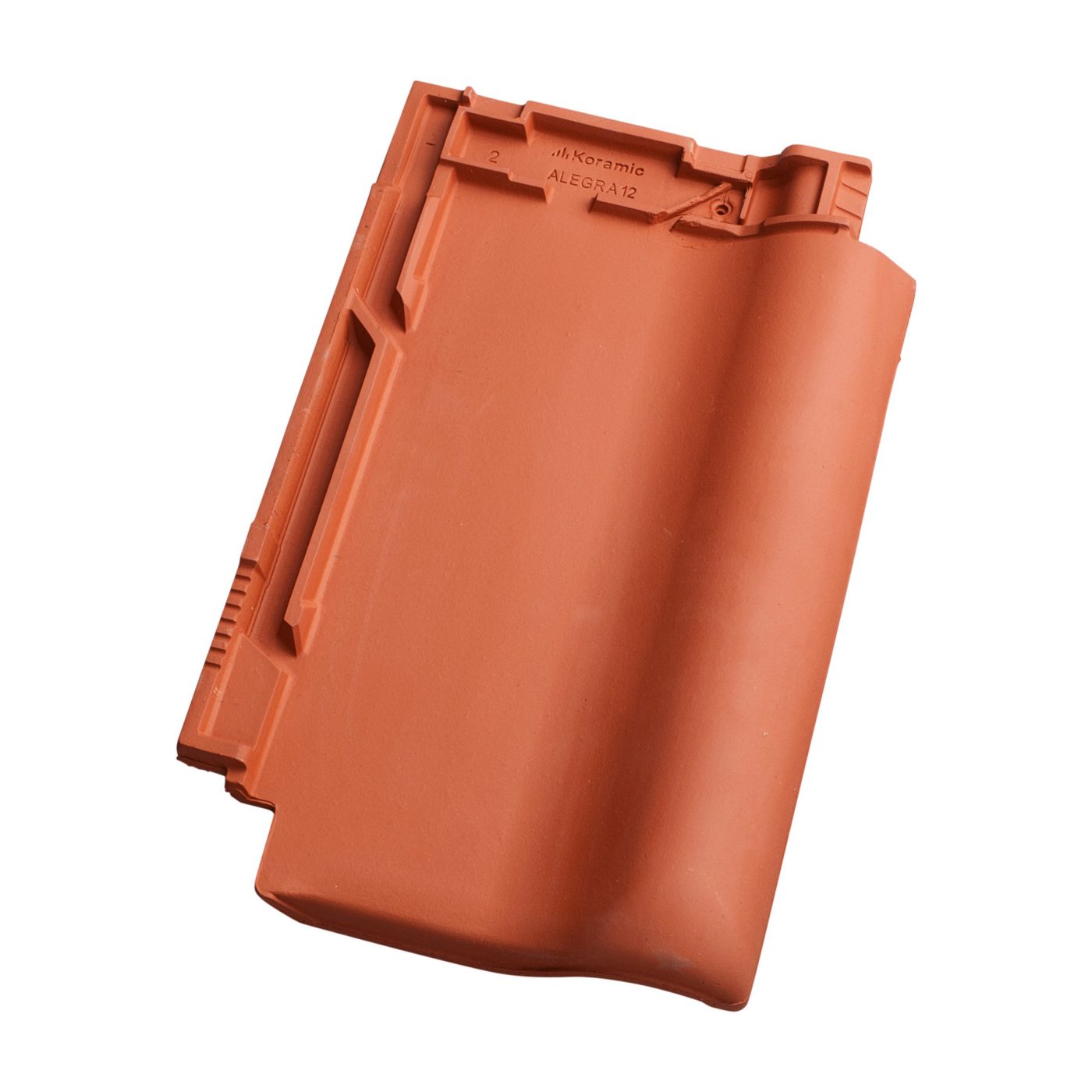
A separate Alegra series. A different type designation can mean different dimensions and accessories.
View model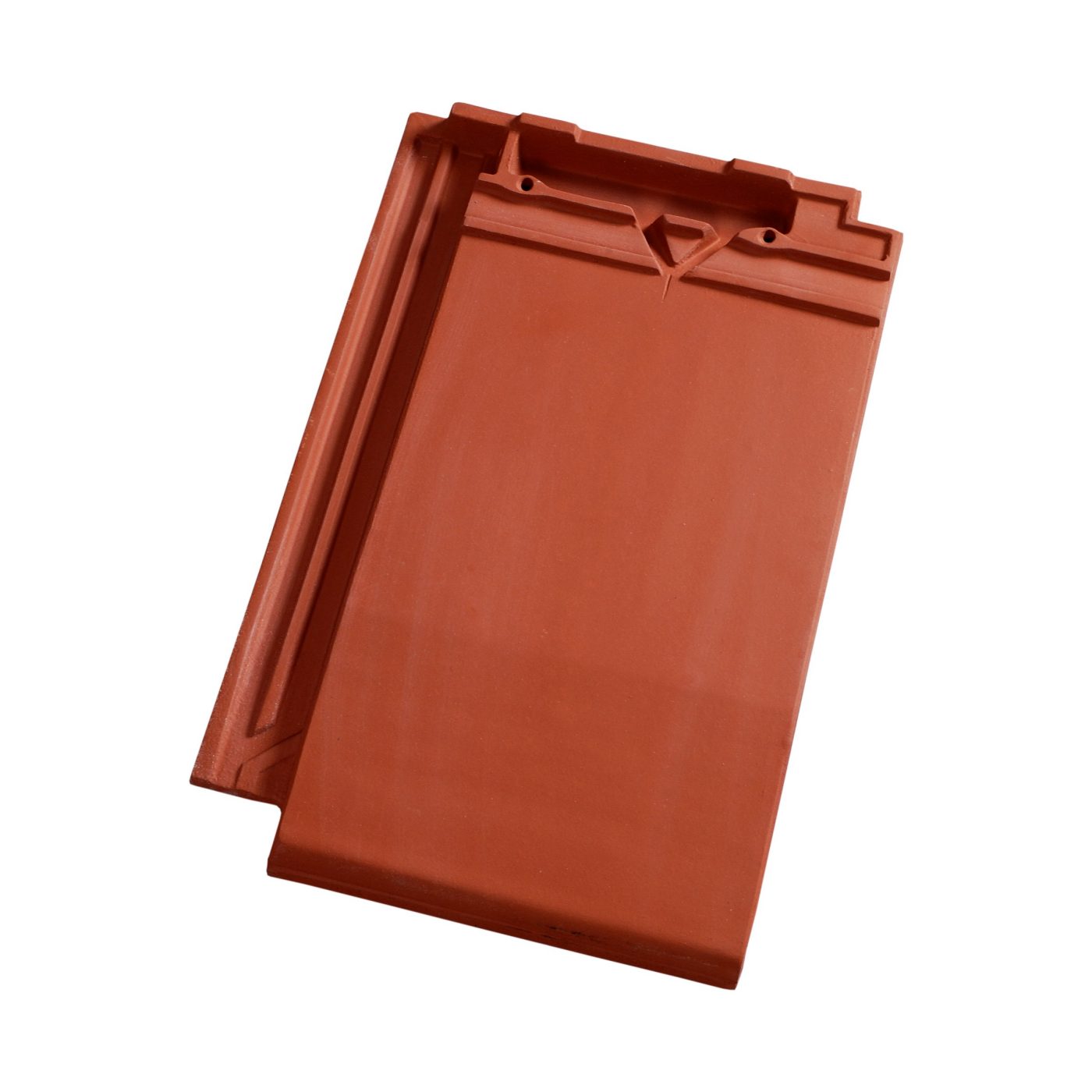
A flat clay tile for clean lines. A flat roof finish also requires an accurately aligned substructure.
View model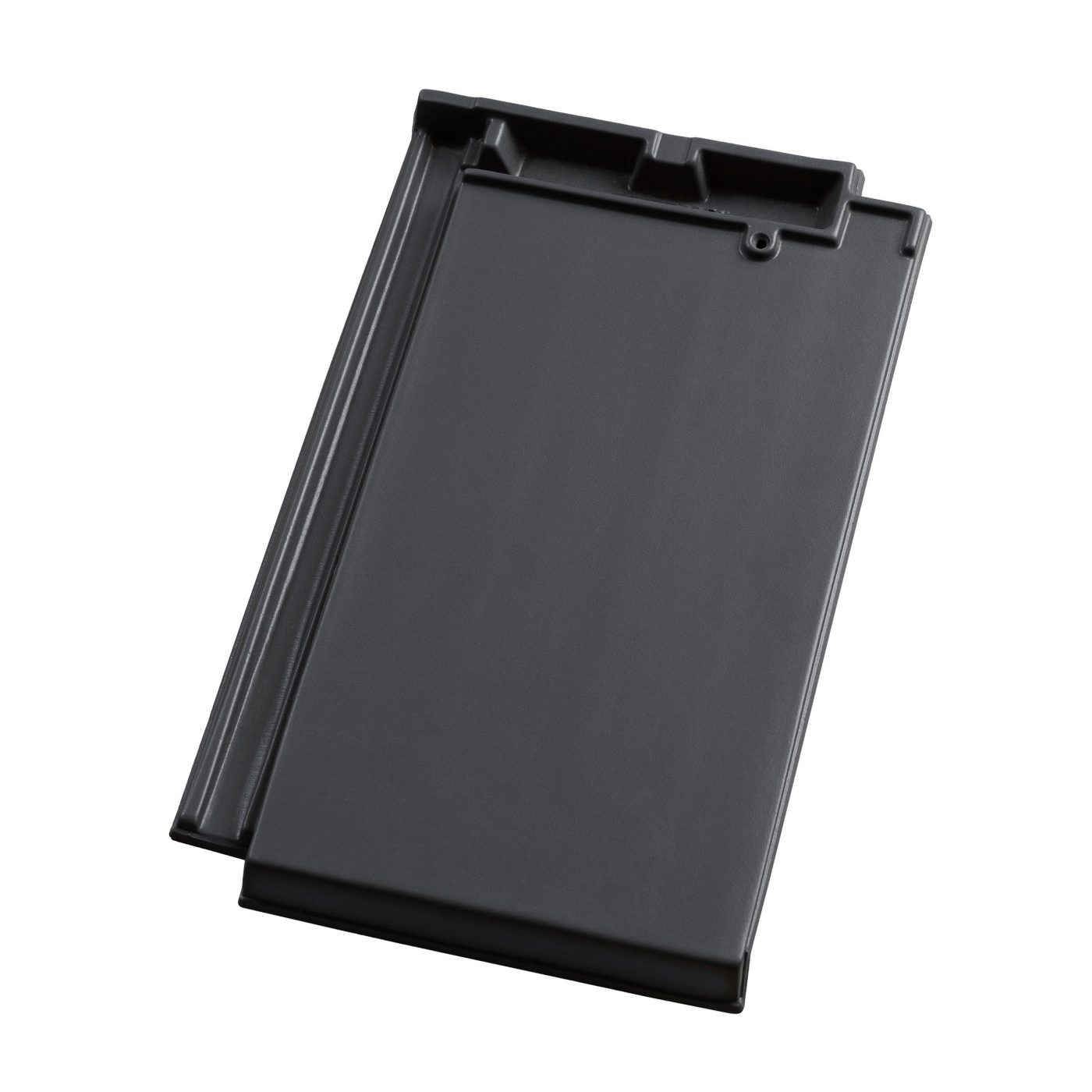
A flat clay roof tile. Assess colour and sheen using a physical sample beside the brickwork.
View model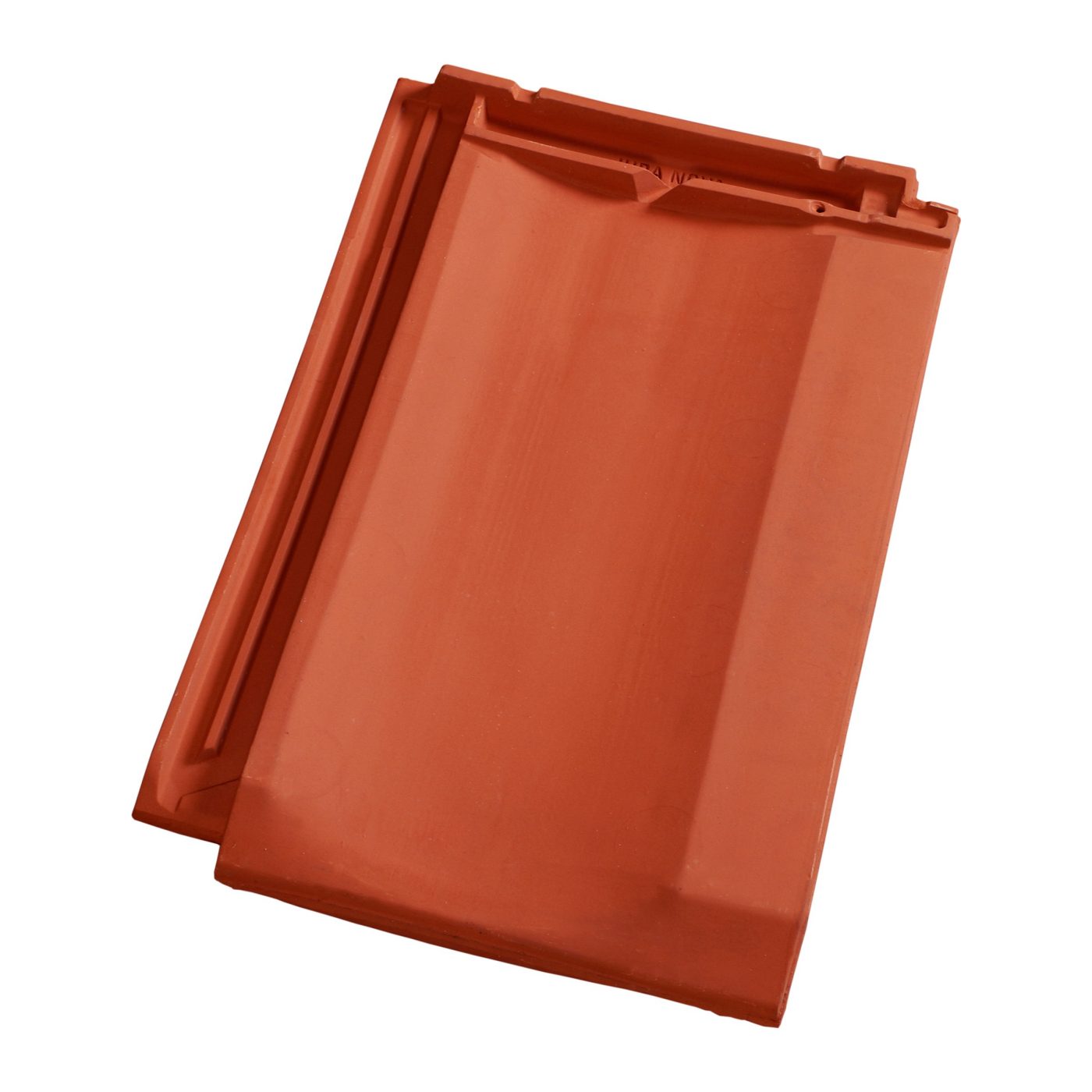
A clay roof tile from the Koramic range. Check the profile, covering dimensions and minimum pitch together.
View model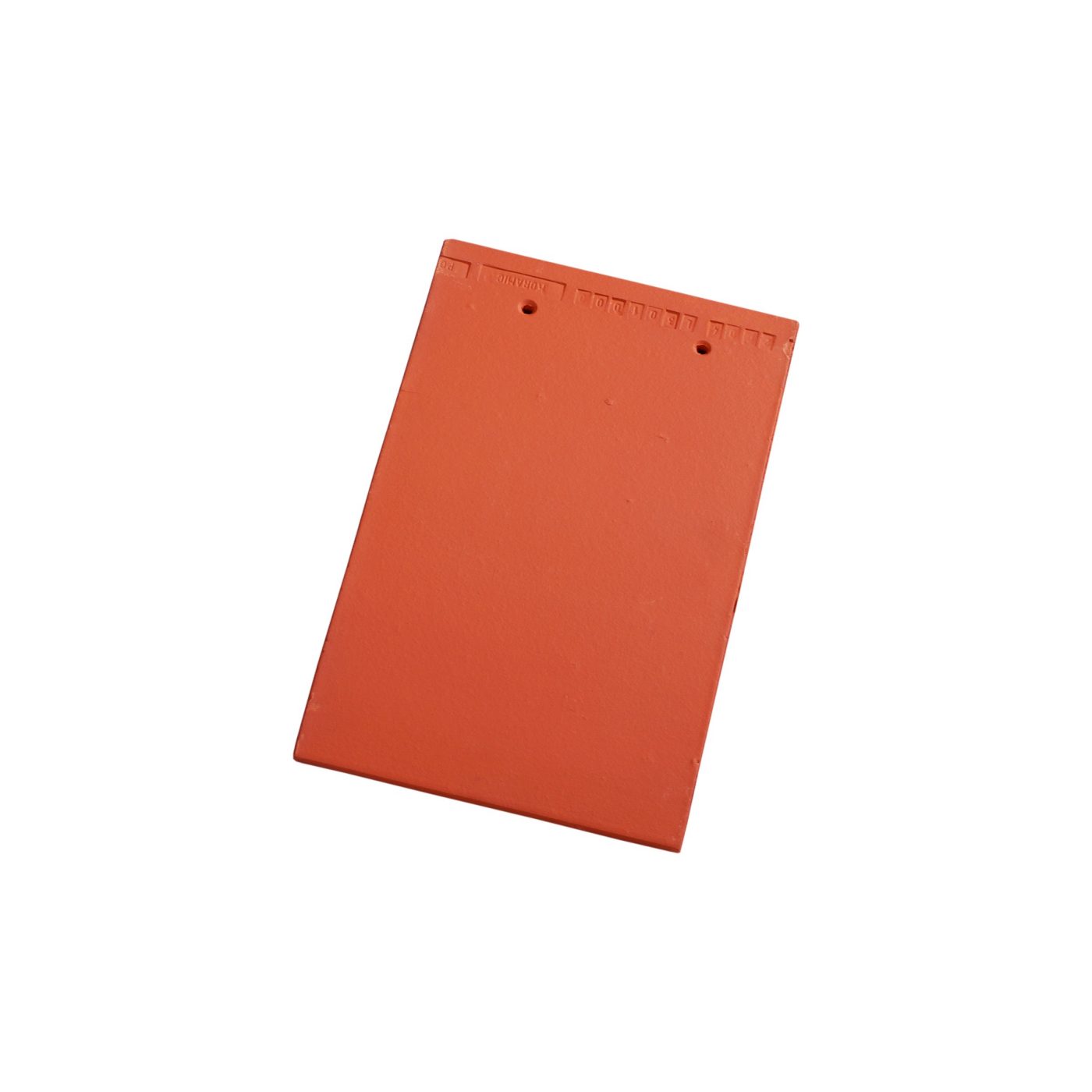
A small-format clay roof appearance. Laying pattern and overlap affect appearance, quantities and rain protection.
View model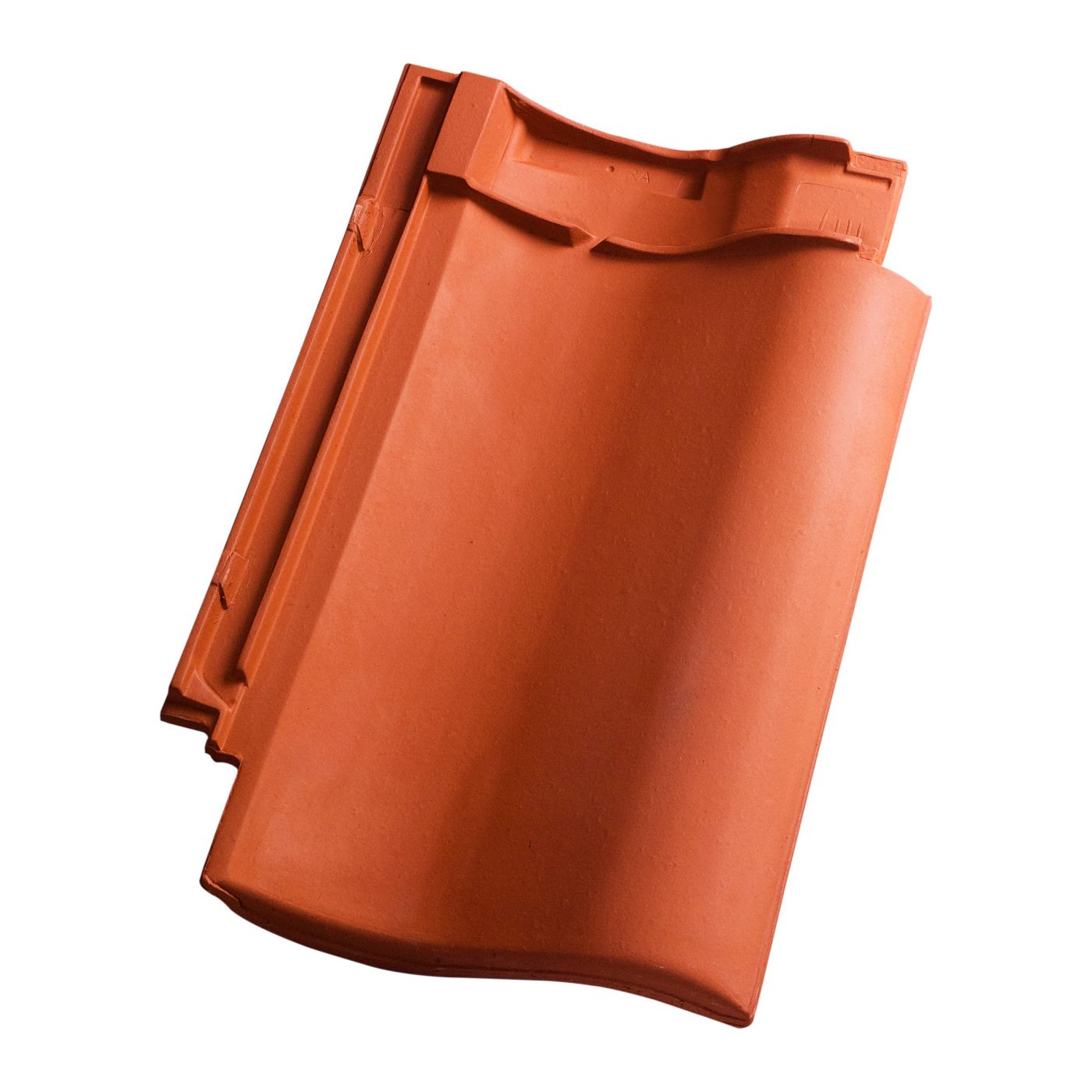
A clay series with a distinctive wave profile. When renovating, compare the interlocks as well as the outside dimensions.
View model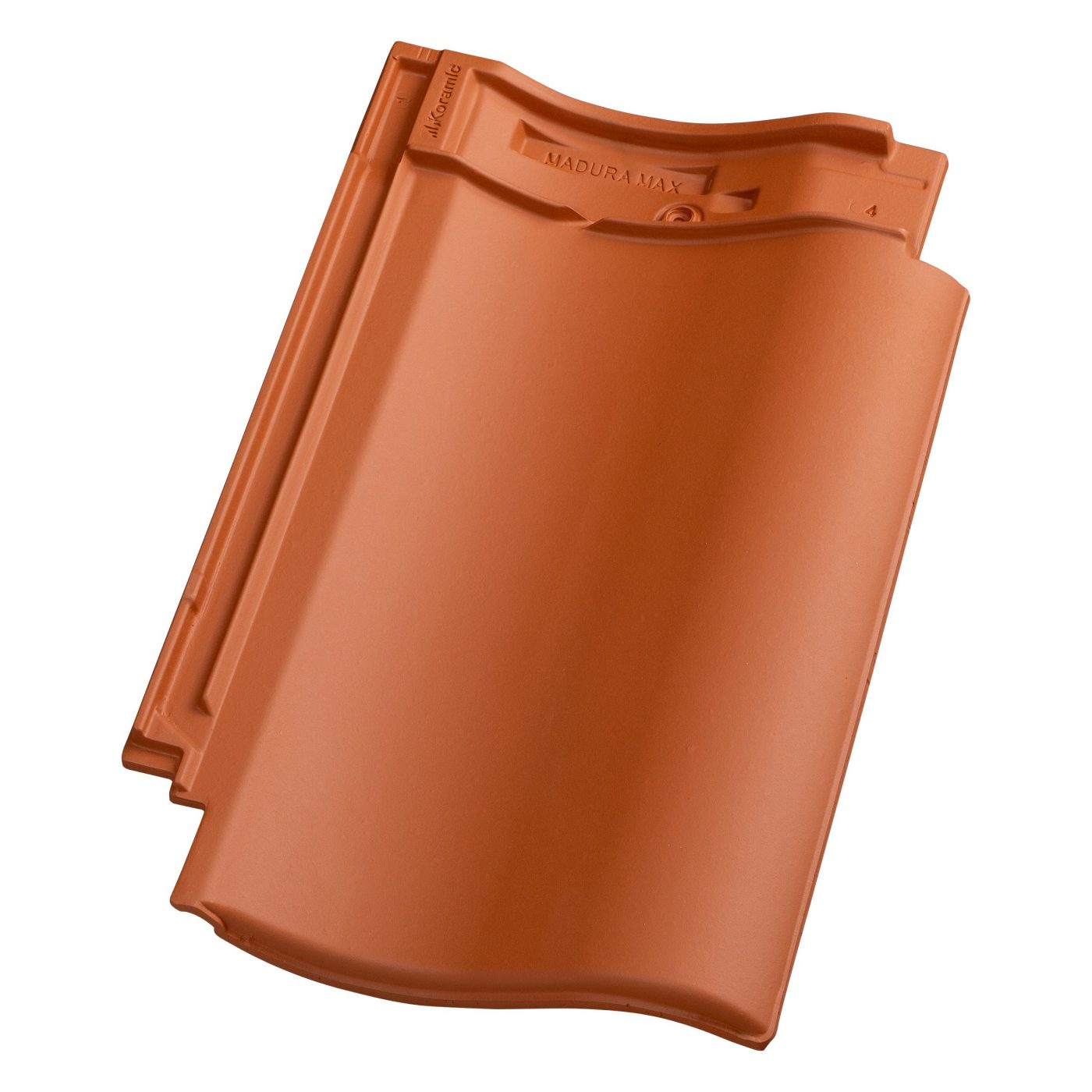
A distinct version within the Madura family. Include matching accessories in the laying plan.
View model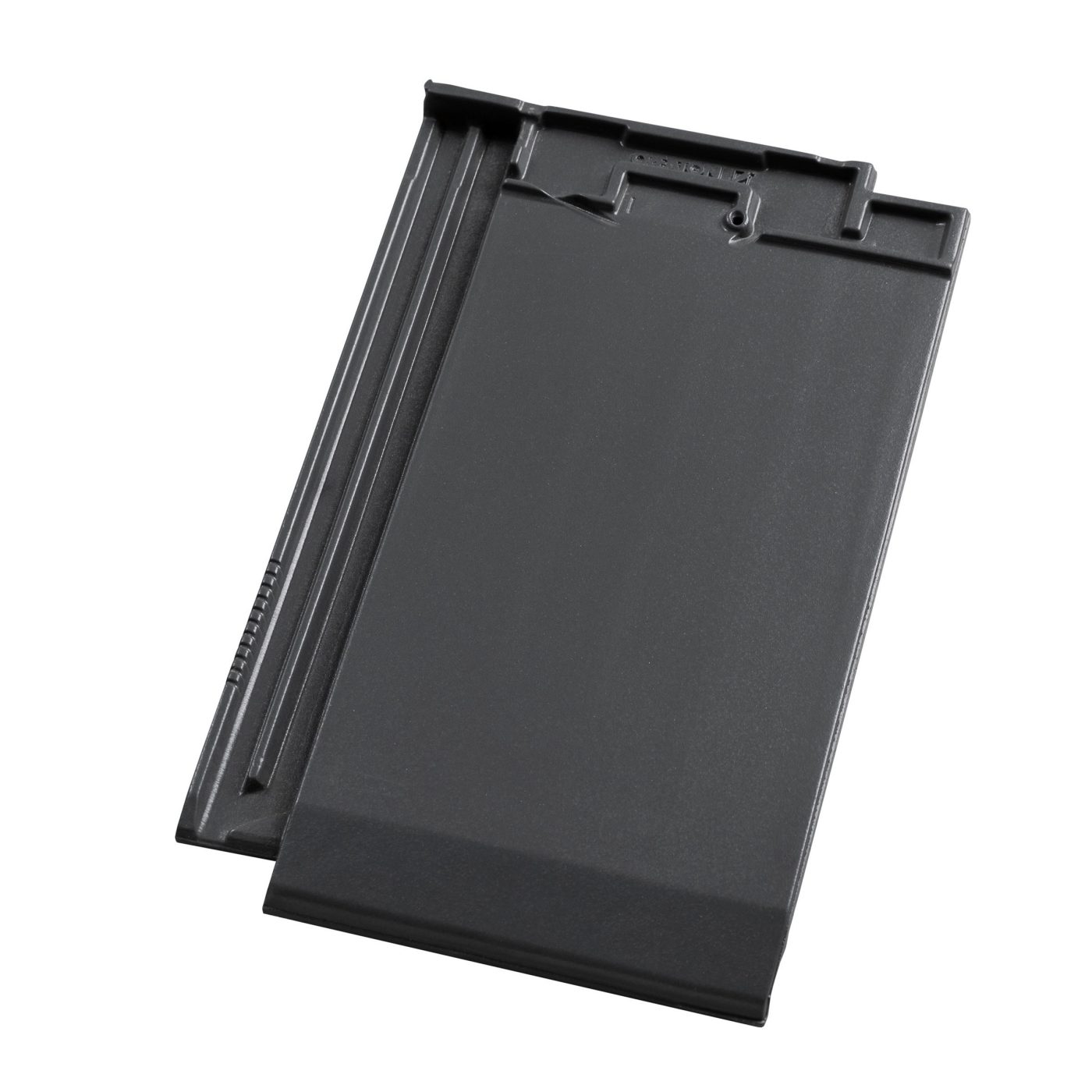
A flat tile for contemporary roofs. Accurate batten alignment and neat edges support its clean appearance.
View model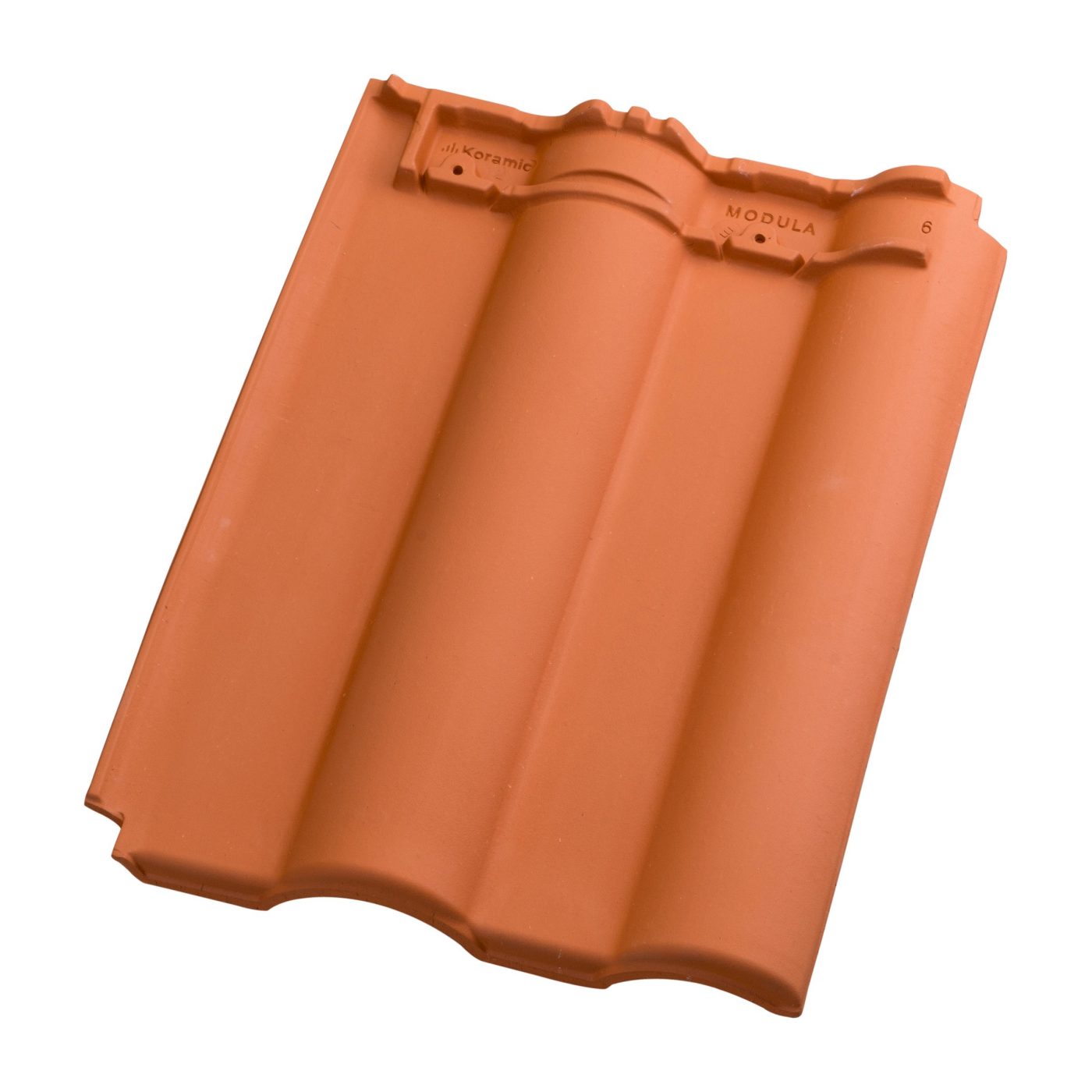
A clay tile with its own technical dimensions. Check which ventilation and penetration accessories fit this series.
View model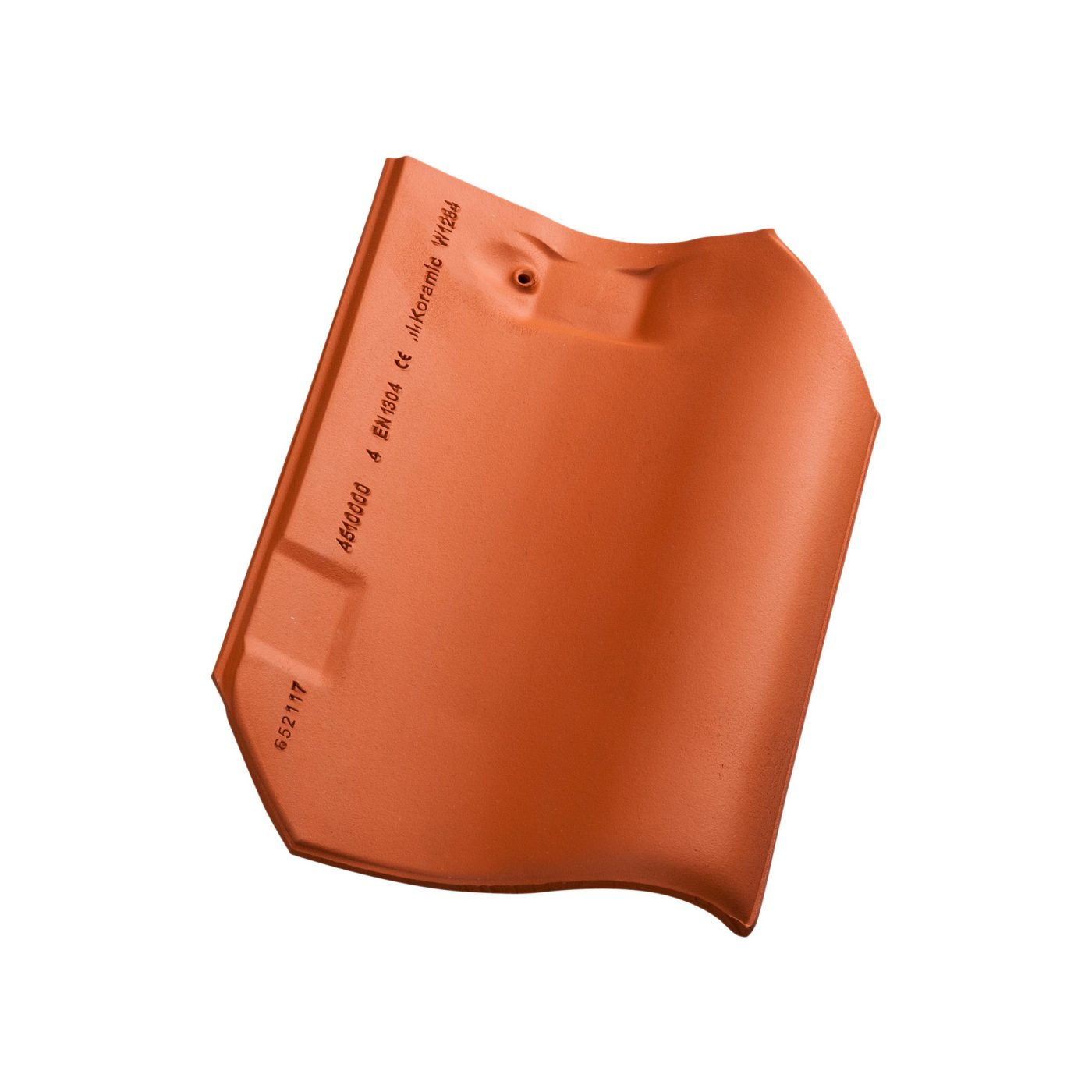
A traditional concave roof tile. A sample area helps assess shape, colour and rhythm alongside neighbouring roofs.
View model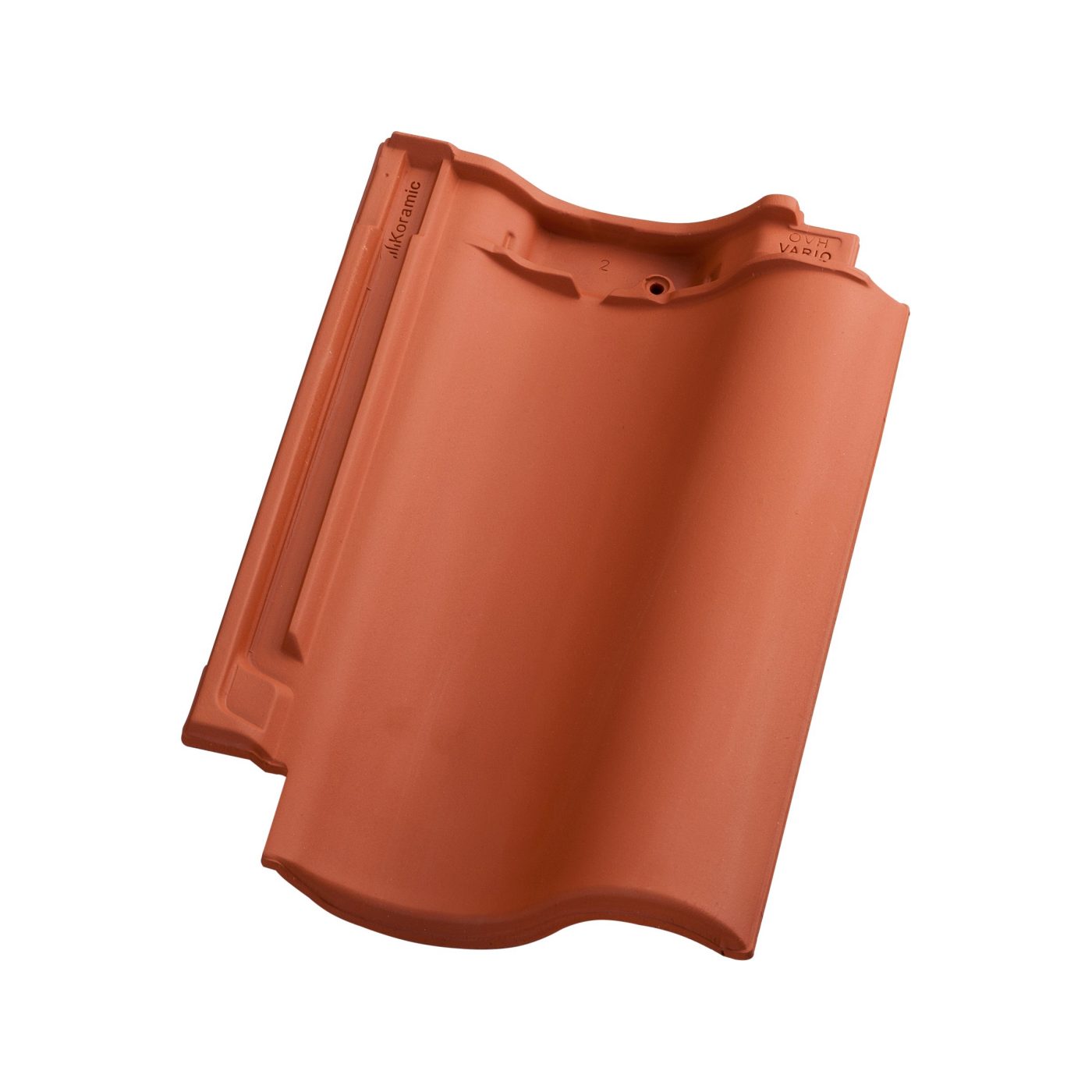
An OVH series for a classic wave profile. Account for the model-specific adjustment range when setting batten spacing.
View model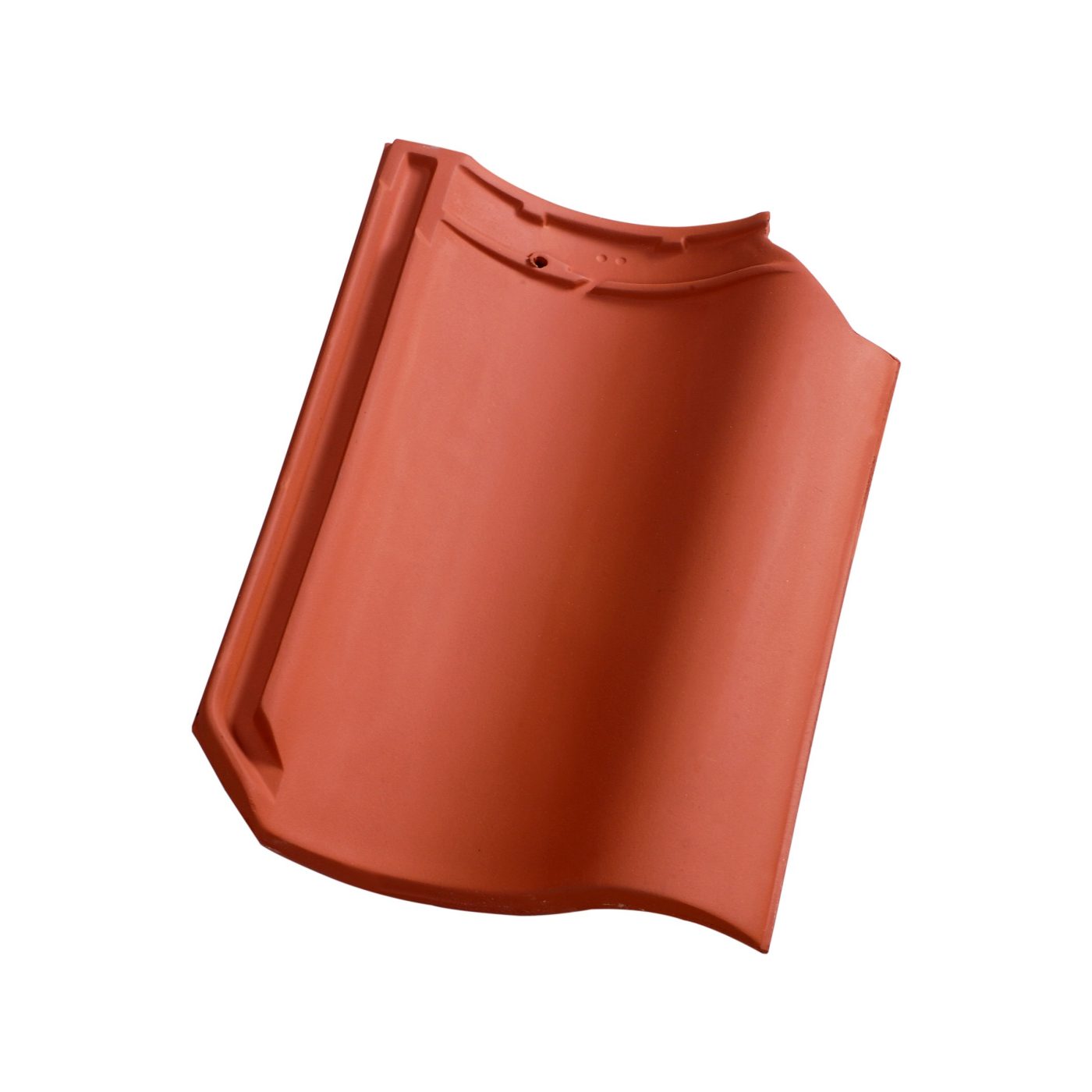
A traditional OVH tile. For replacement, the rear stamp and interlocks matter more than colour alone.
View model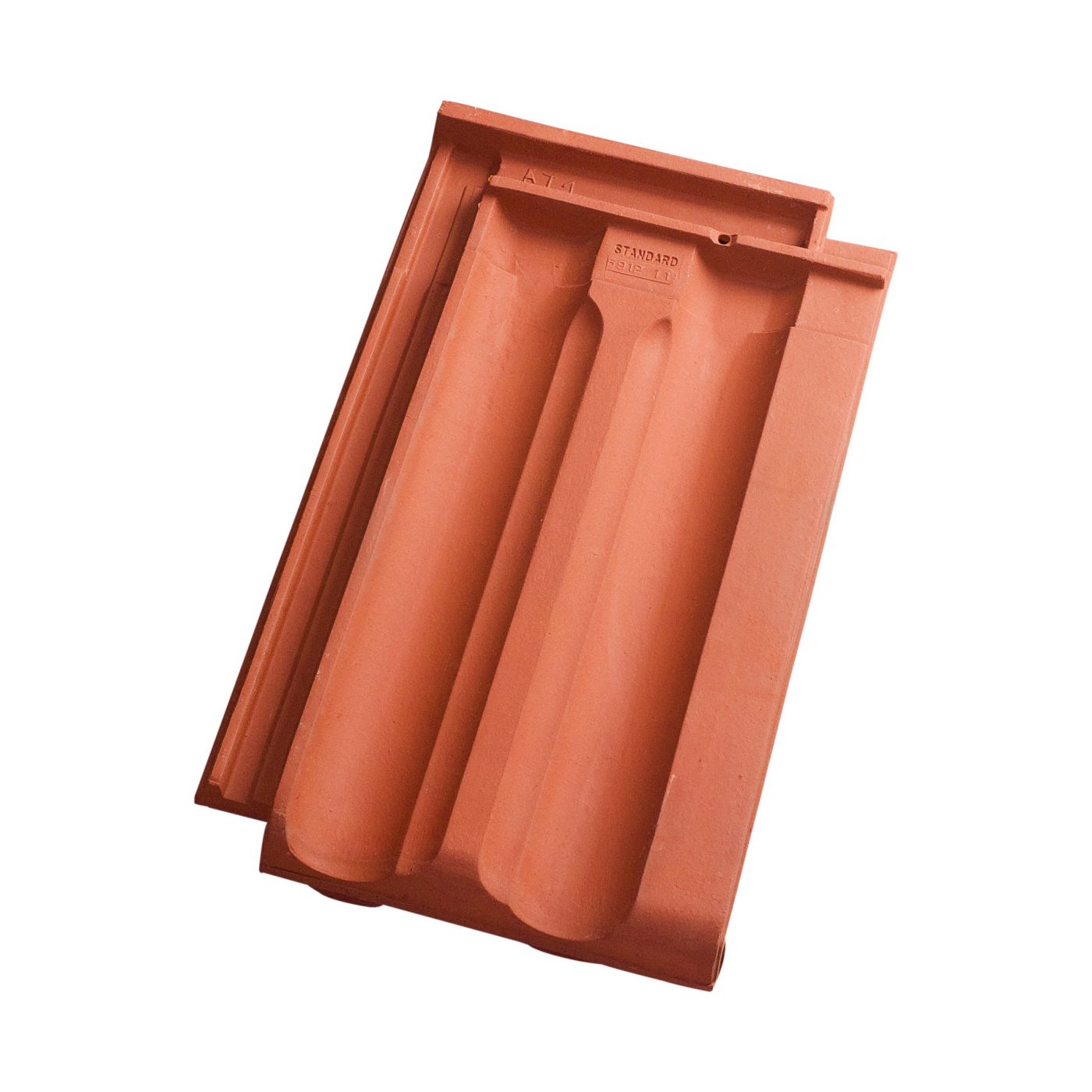
A clay tile with a central rib and two drainage channels. Its roof pattern differs from a single concave tile.
View model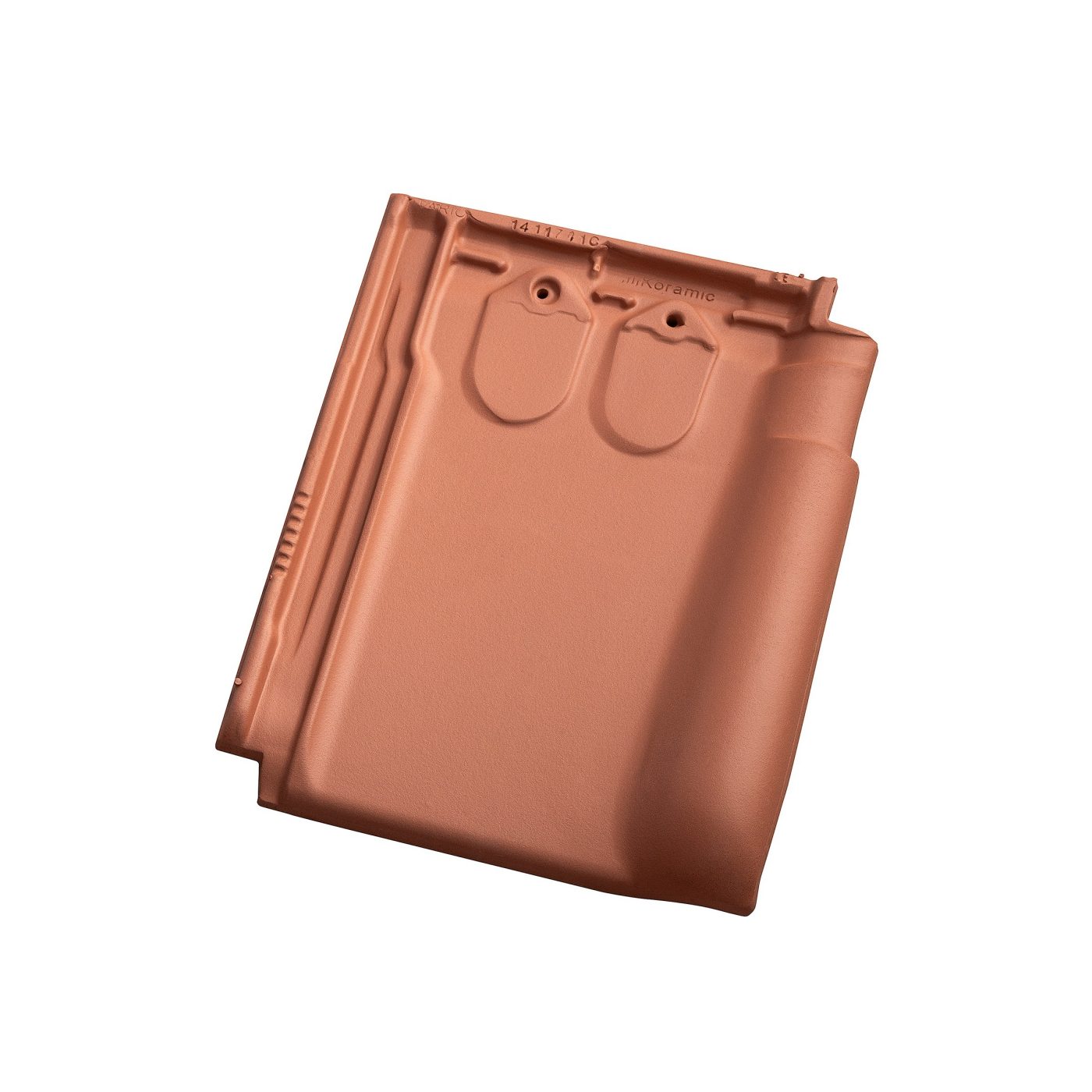
A Tuile du Nord model with its own dimensions. Always specify the complete model name when ordering replacements.
View model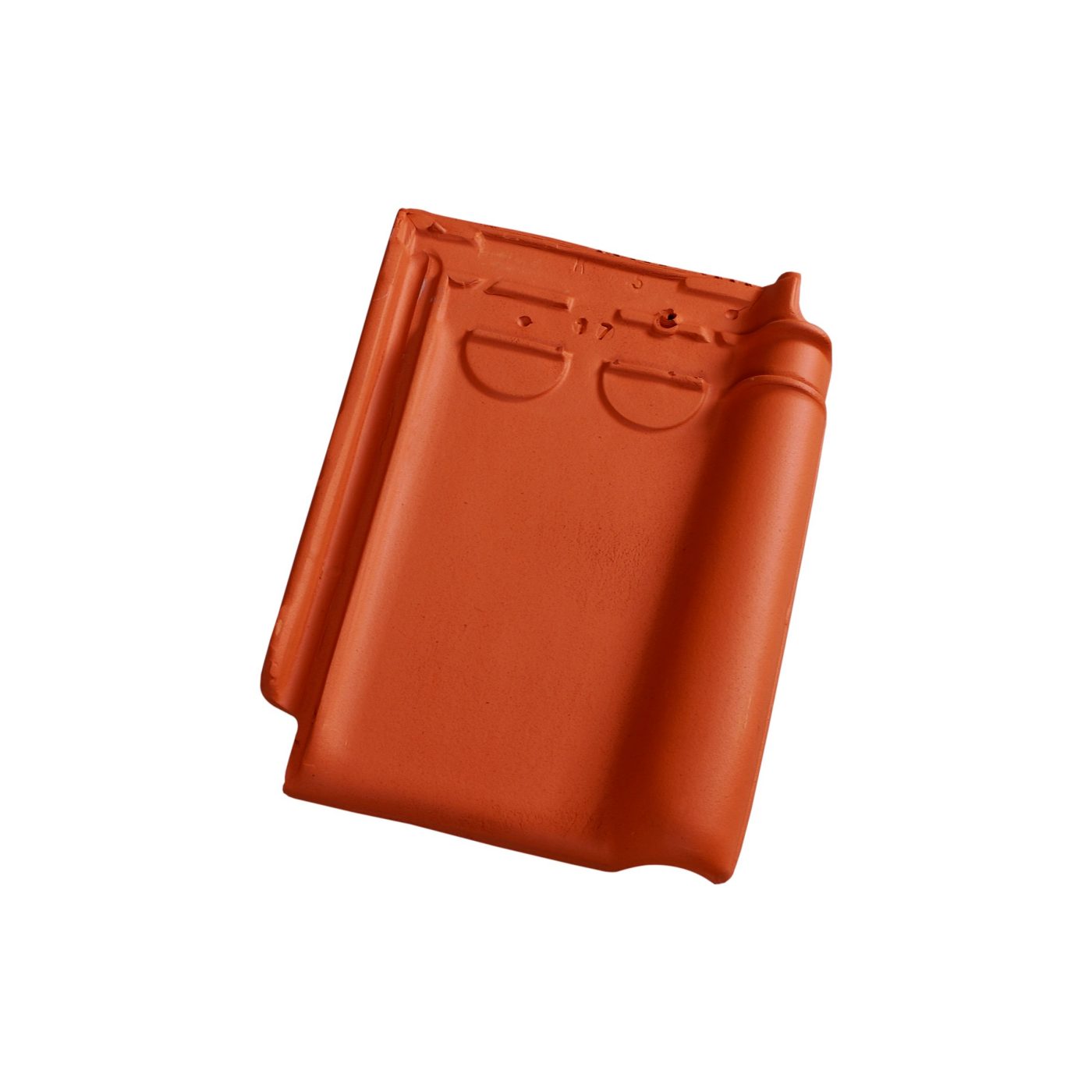
A distinct Tuile du Nord version. Coordinate ridge, verge and fitting tiles with this series.
View model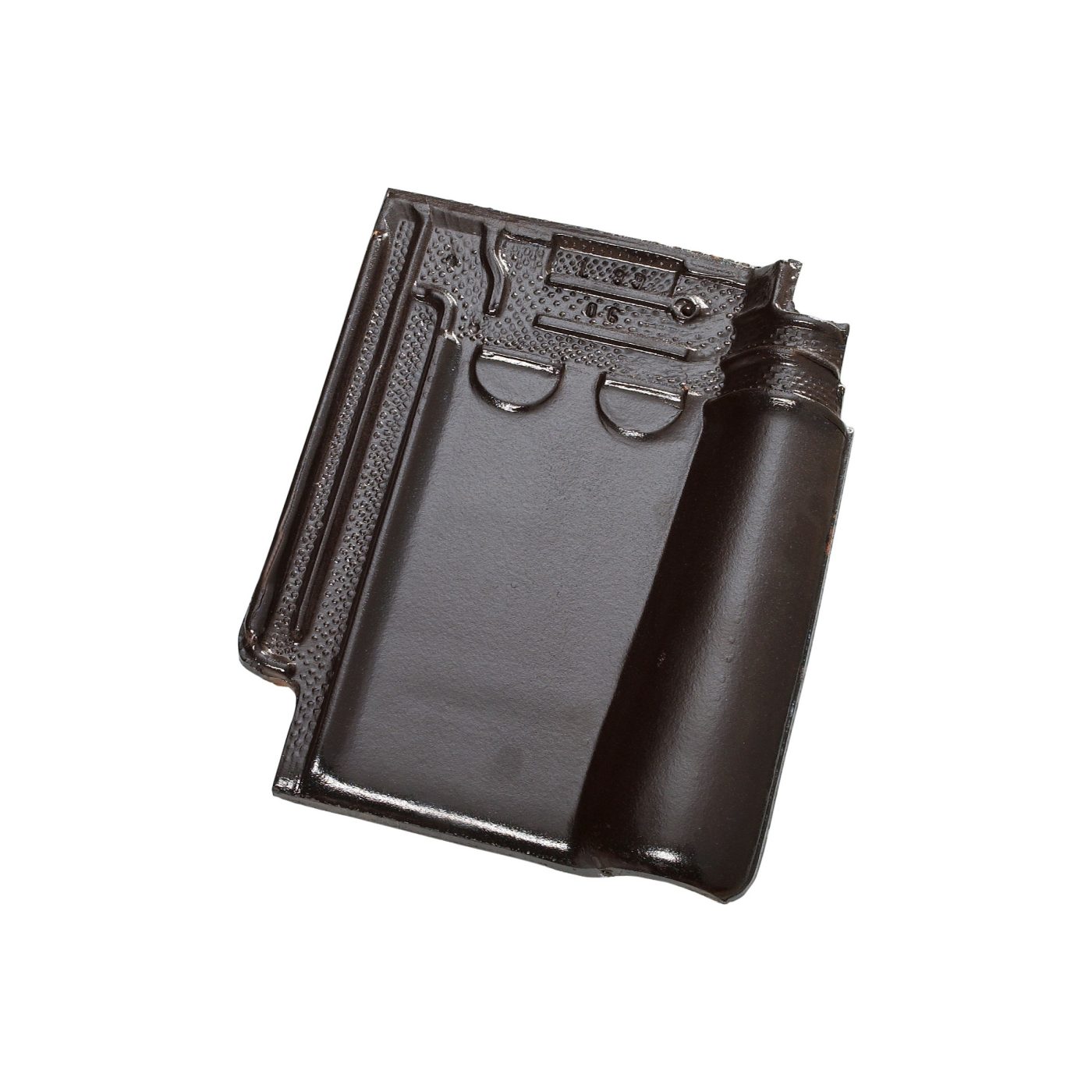
A clay Tuile du Nord with a tapered roll. The 993 has different covering dimensions from the 44 and 18, so the family name does not imply interchangeability.
View model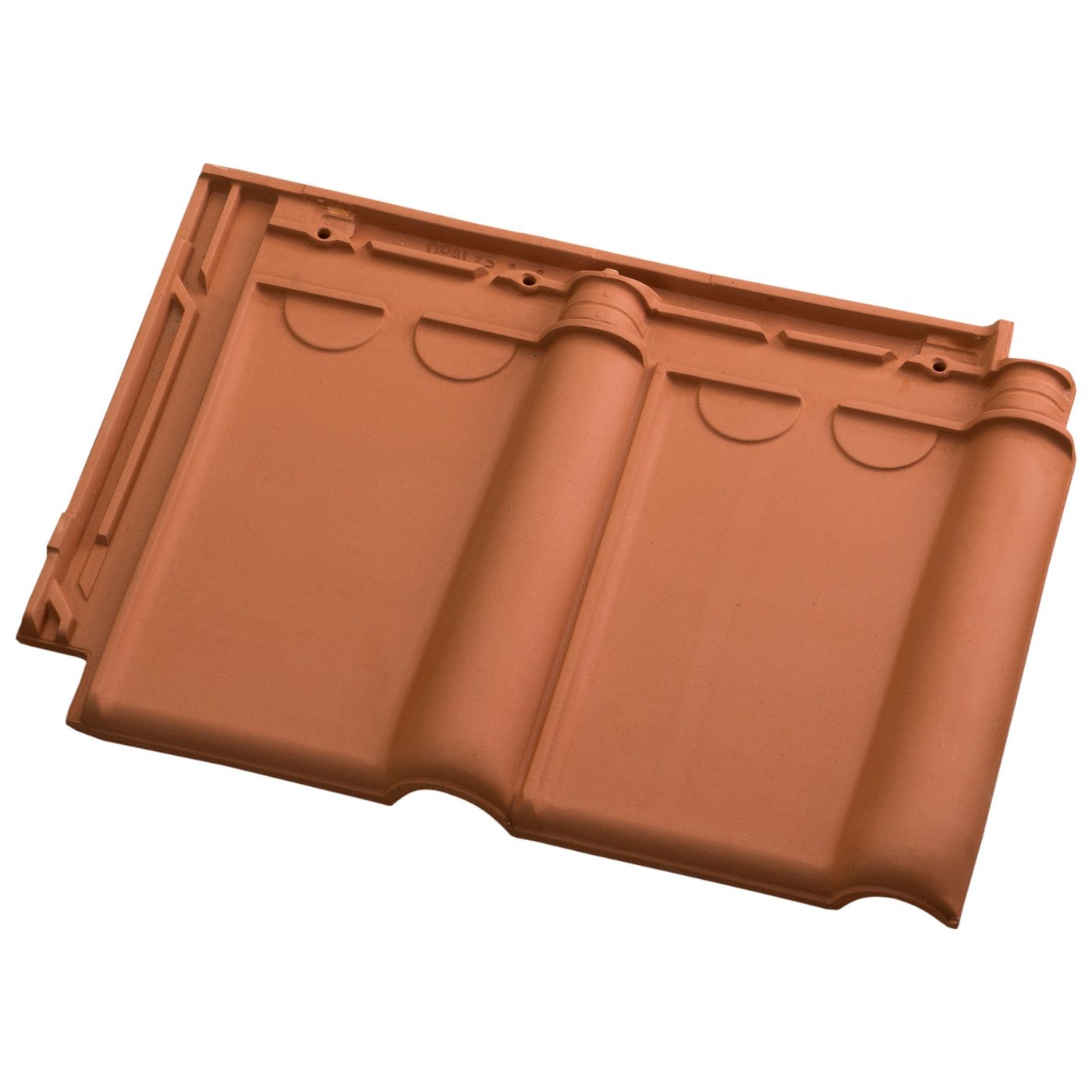
A traditional Tuile du Nord series. Check the finish and colour variation between production batches.
View model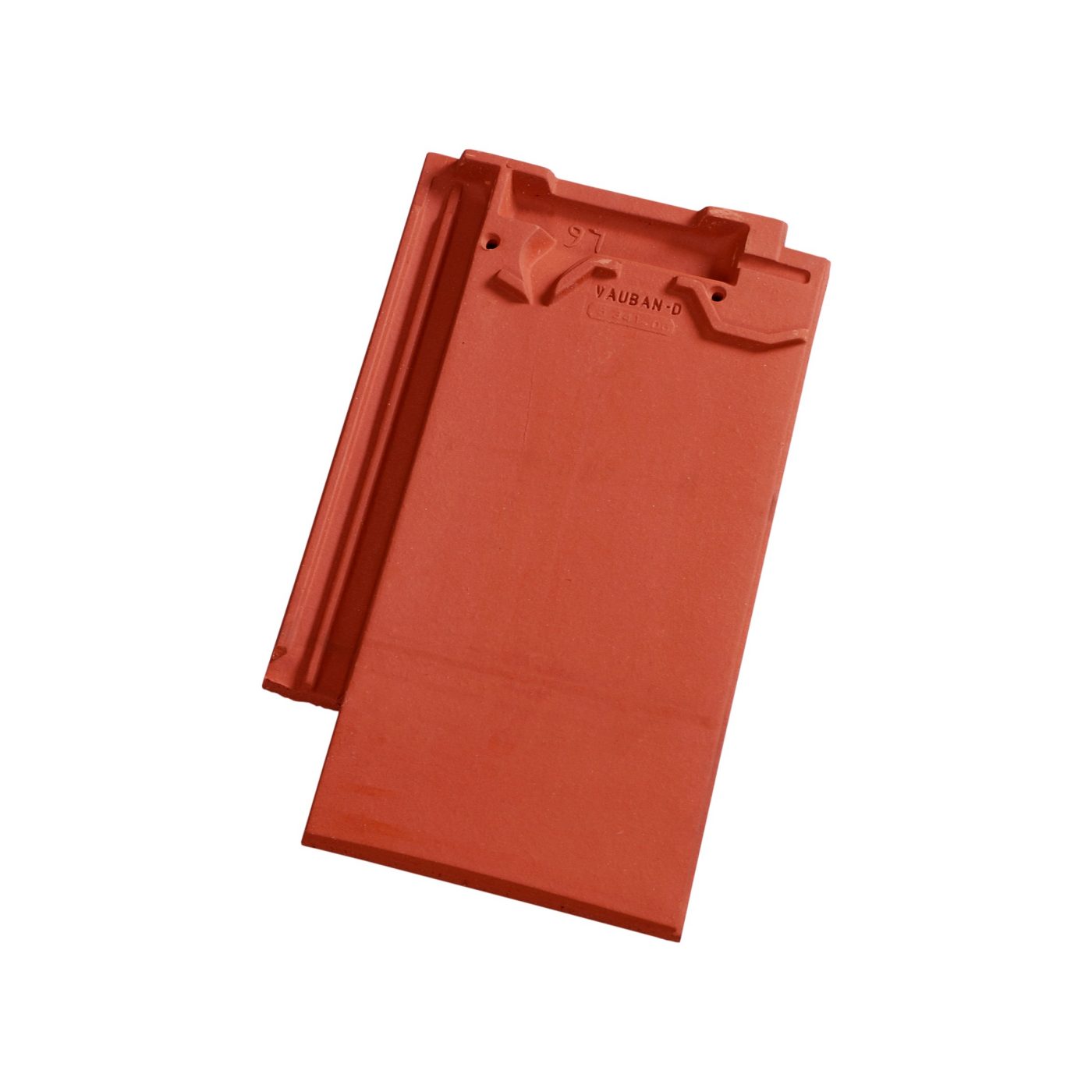
A flat clay tile for an understated roof. Plan penetrations and a matching ridge detail from the start.
View model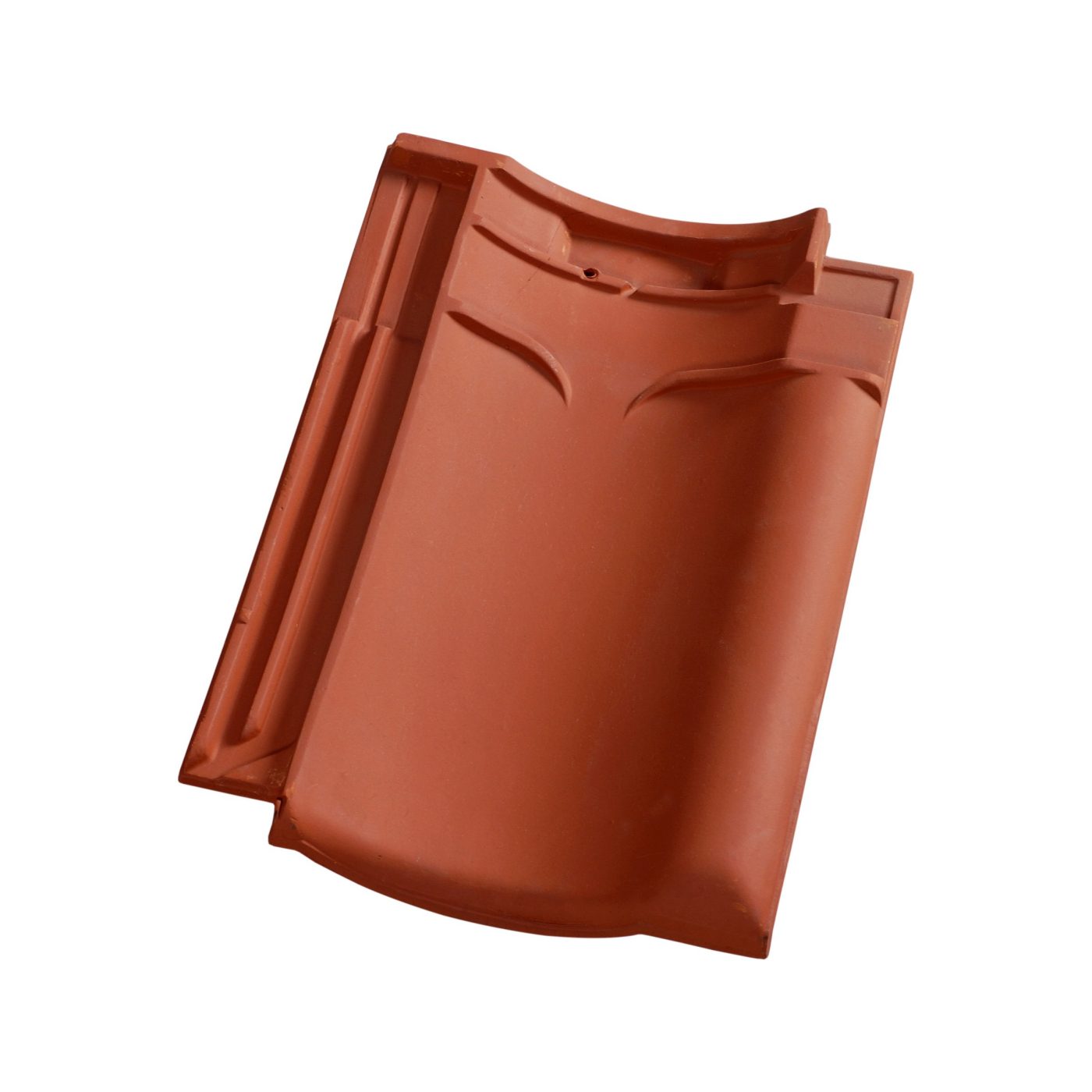
A traditional VHV series. Assess existing battens and accessories when selecting replacement tiles.
View model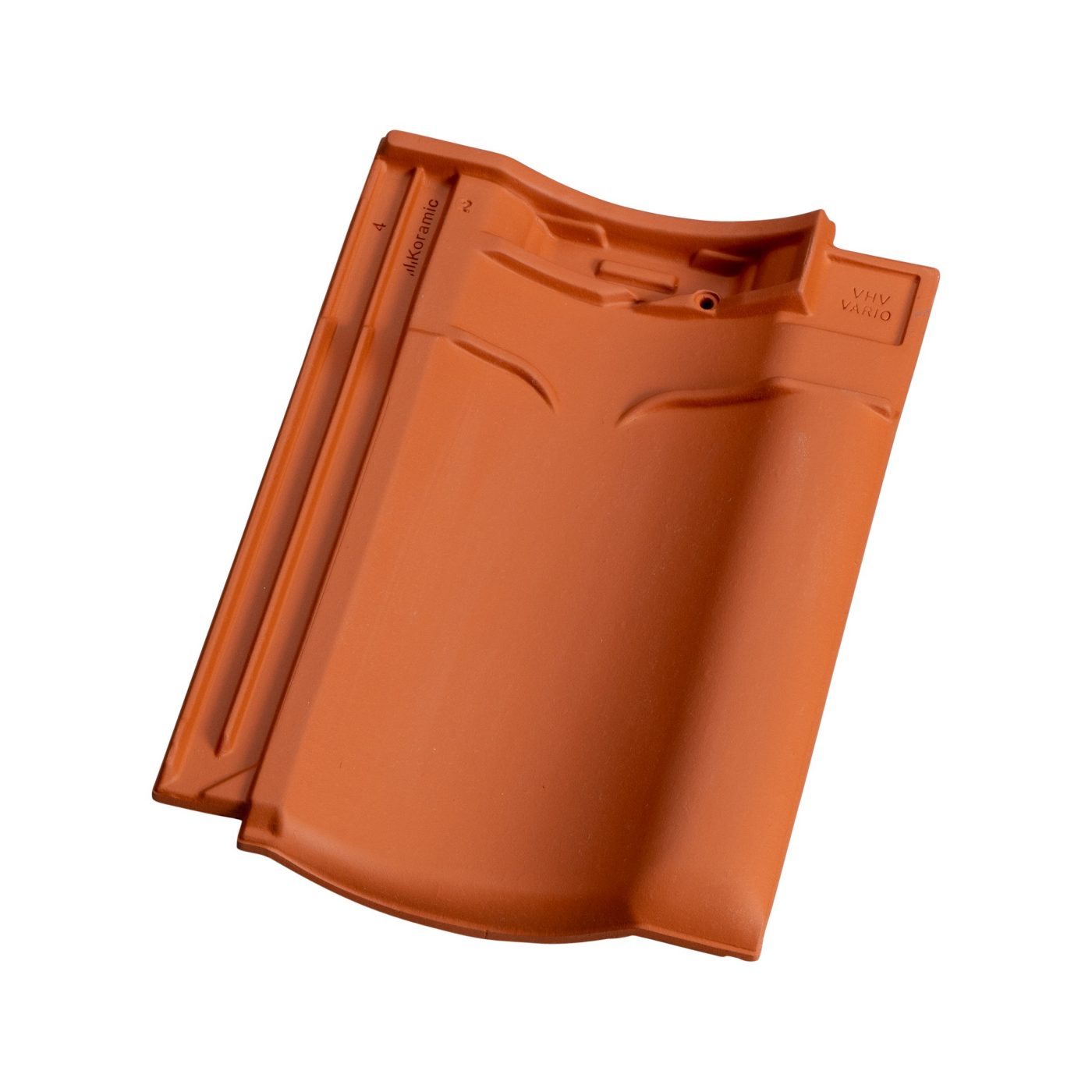
A VHV model with its own laying dimensions. Adjustment tolerance does not replace an accurate laying plan.
View model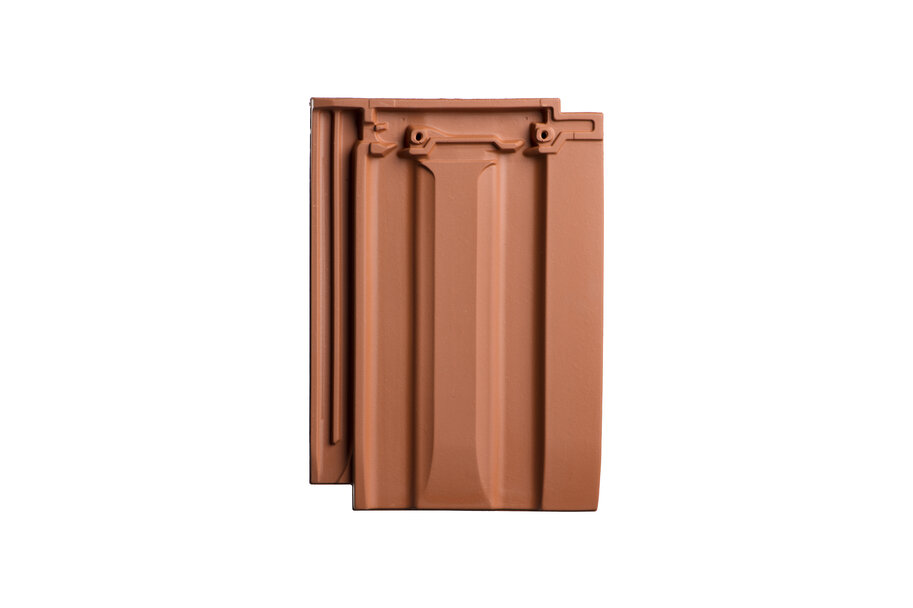
A large-format clay tile with a distinctive profile. Check its covering width and the implications for renovation and accessories.
View model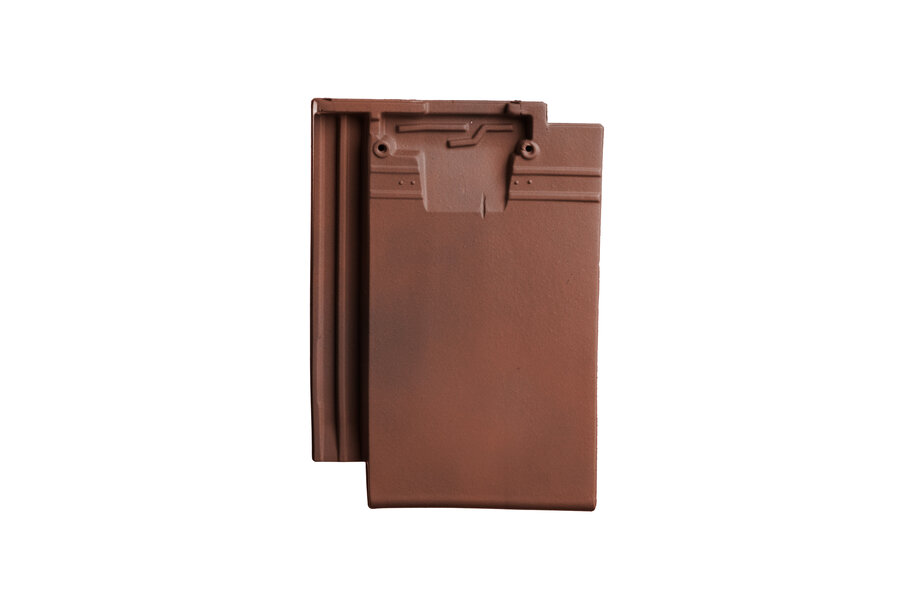
A clay series for a cleaner roof appearance. Verge and ridge details strongly influence the finished look.
View model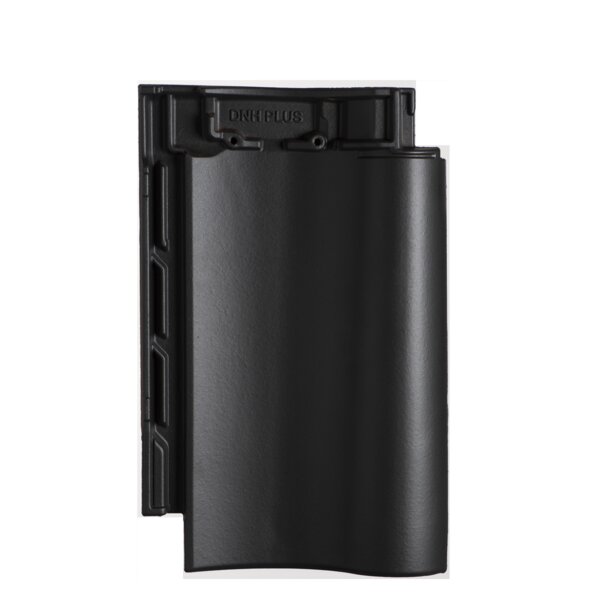
An updated product series. Always check technical compatibility before combining it with older Nieuwe Hollander tiles.
View model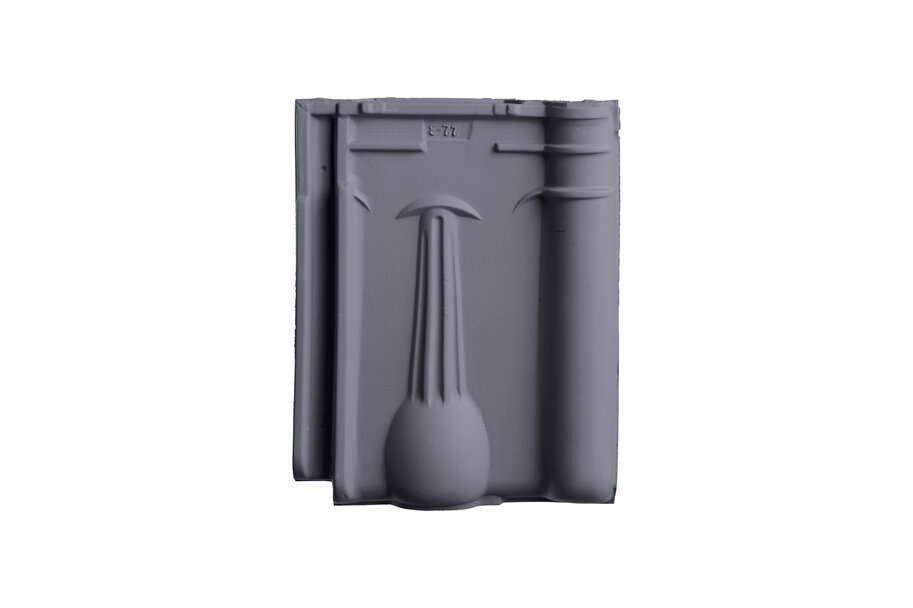
A traditional tile with a distinctive laying pattern. Plan the pattern and matching accessories together.
View model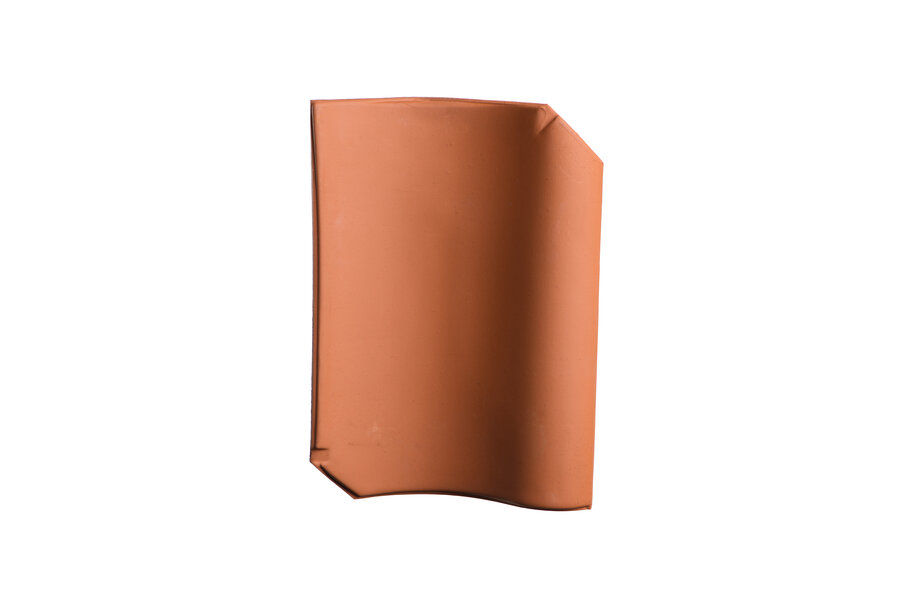
A traditional concave clay tile. Other manufacturers use similar names, so confirm both brand and model.
View model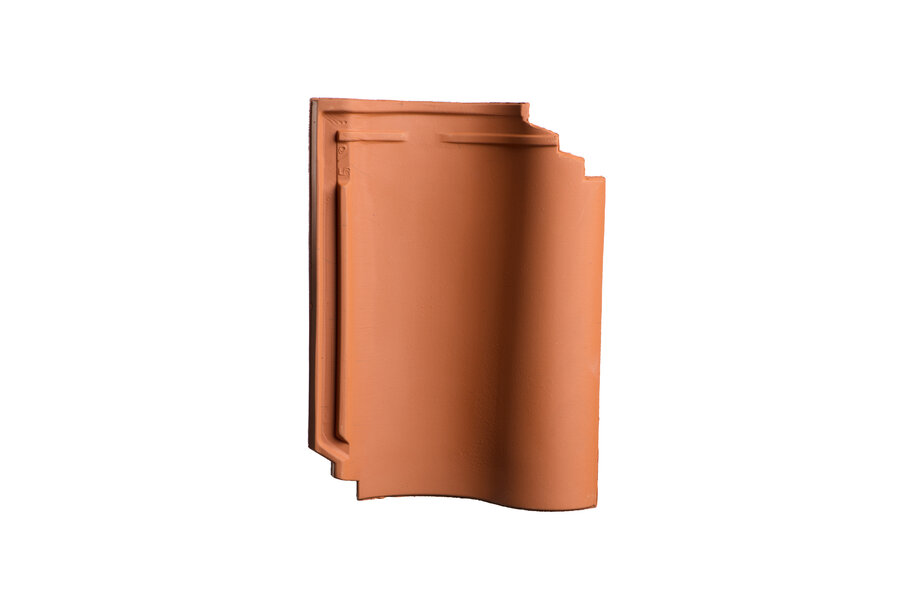
Monier’s OVH profile. Compare its specific interlocks and effective coverage with the existing tiles.
View model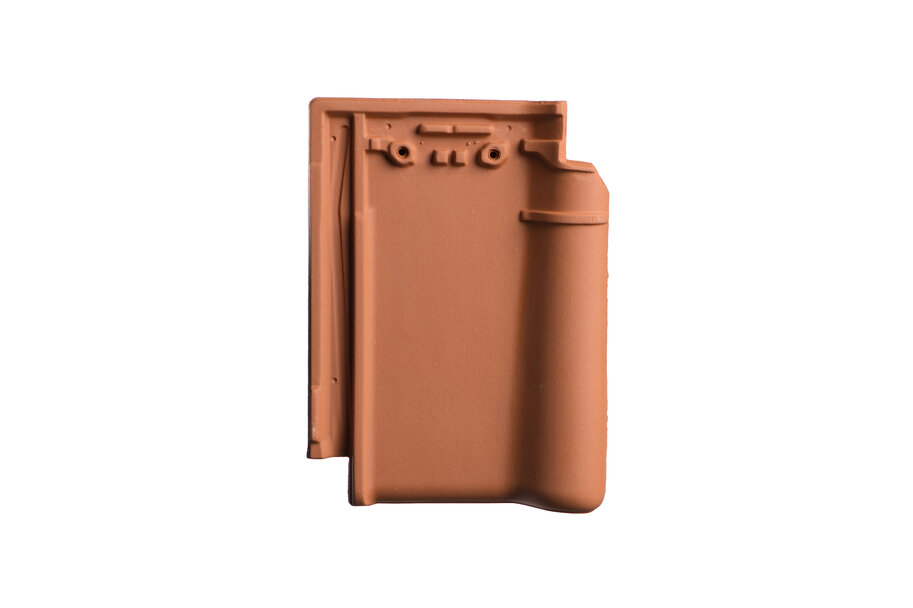
A clay tile series. Colour, profile and matching accessories together determine its suitability for your home.
View model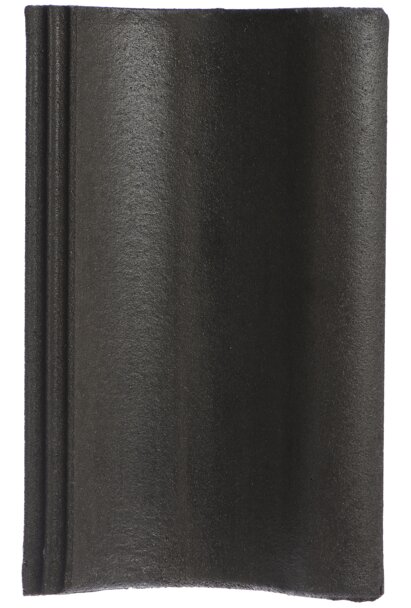
A curved concrete tile with a traditional appearance. Compare its narrow covering width, pitch-dependent overlap and matching accessories.
View model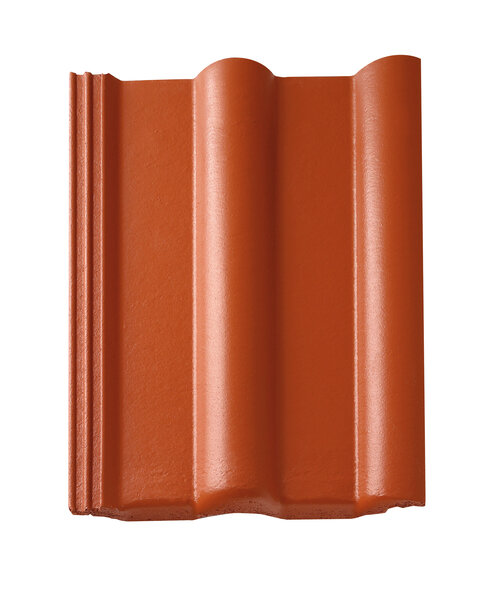
A profiled concrete roof tile. Compare its covering dimensions and understand why it is not a direct repair tile for an existing Neroma roof.
View model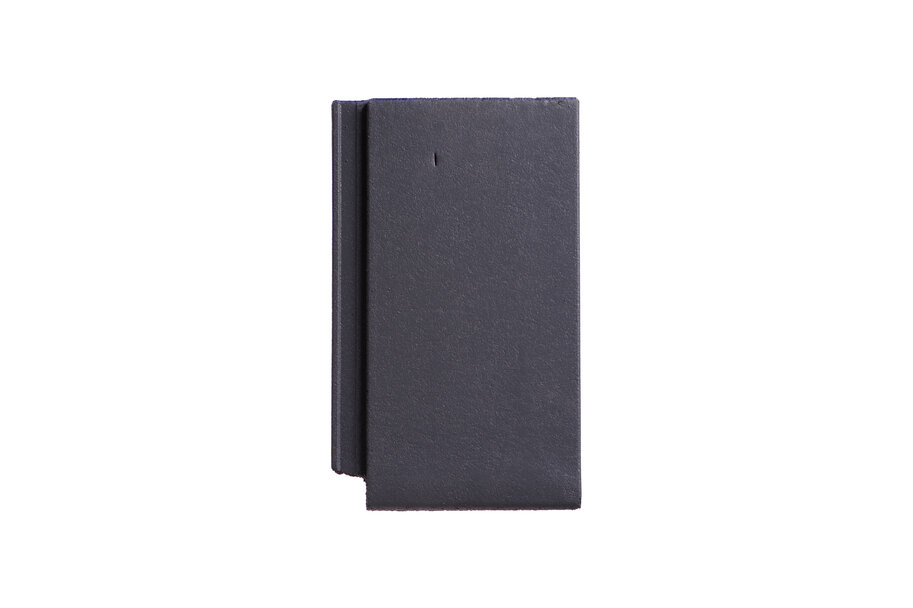
A flat concrete tile with a restrained roof appearance. Its required broken-bond layout affects both setting out and verge components.
View model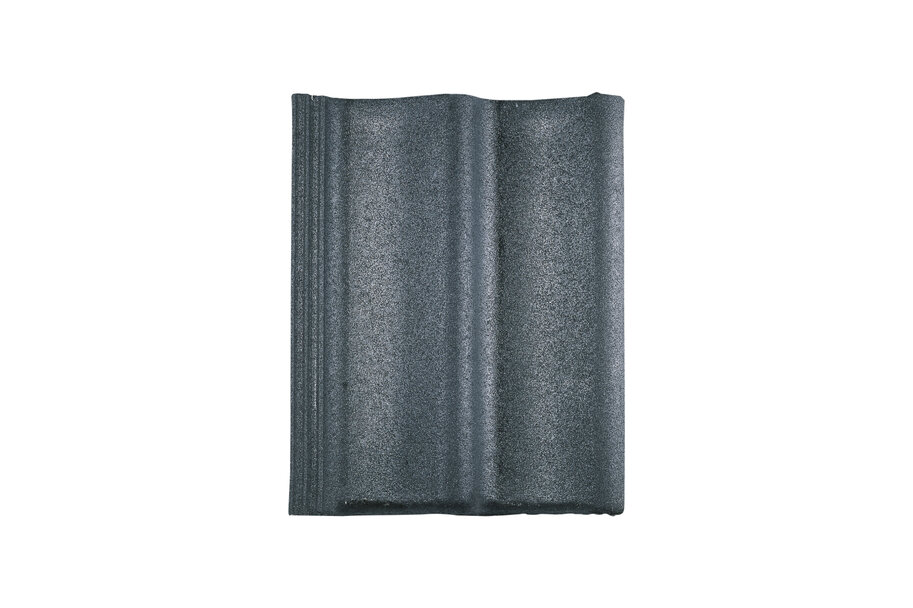
A well-known concrete roof tile with several finishes. Older accessories are not automatically compatible with newer generations.
View model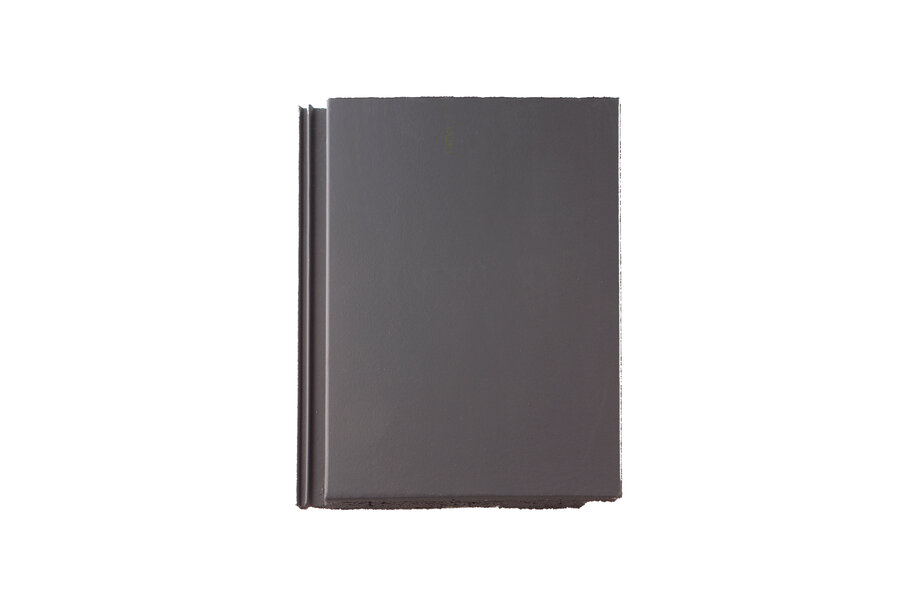
A flat concrete tile. Replacing Stonewold may require changes to battens and fixings; plan these in advance.
View model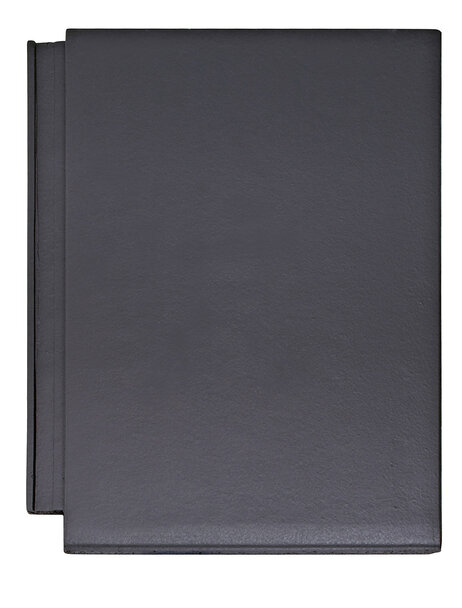
A separate Tegalit version. Use its own product sheet for weight, fixings and laying dimensions.
View model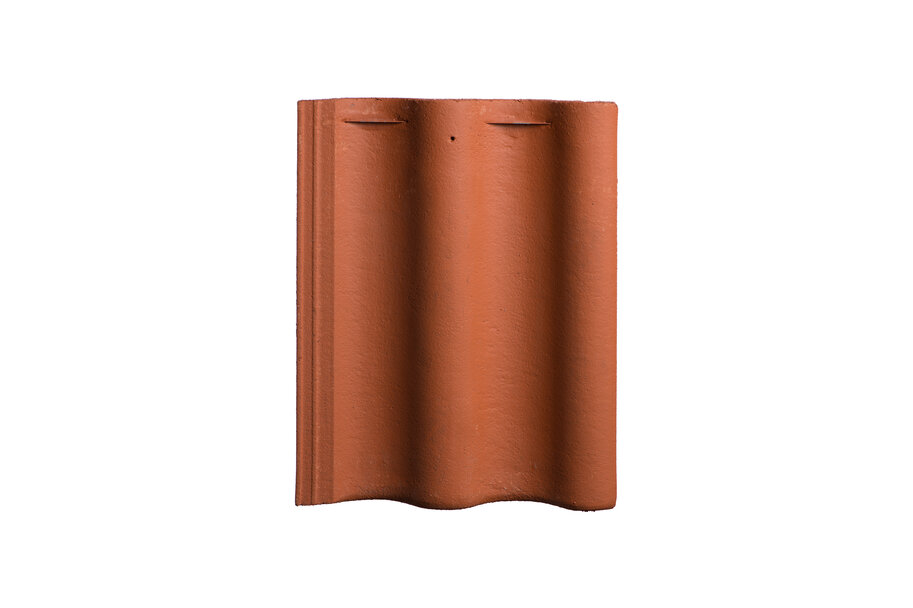
A complete system for specified low roof pitches. Tiles, underlay and details must all comply with the system design.
View model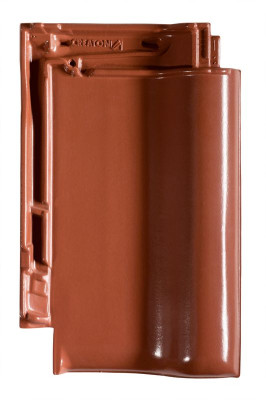
A CREATON clay tile. Red, grey and black finishes appear in the brand range; request the current local colour chart.
View model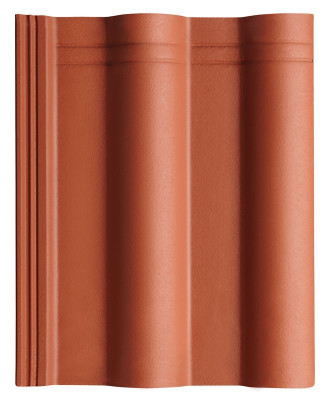
HEIDELBERG: a concrete tile with a traditional profiled appearance. Compare its covering dimensions and weight with VERONA.
View model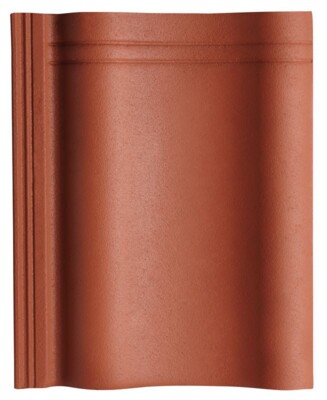
VERONA: a concrete tile with a Mediterranean appearance. Compare its covering dimensions and weight with HEIDELBERG.
View modelA concave tile with a traditional appearance. Similar names do not make old and new tiles interchangeable.
View modelA clay model in the Koramic range. Obtain a current sample and technical drawing before ordering the roof.
View modelA historic concrete roof tile no longer produced by BMI. Repairs depend on identifying the profile and compatible existing accessories.
Historic — no new productionView modelA historic concrete tile. Changing to Tegalit may require different batten heights, fixings and accessories.
Historic — replacement adviceView modelA NIBRA tile with variable headlap. The Nord version has specific dimensions; do not use data for the Süd version.
View modelColour inspiration
Choose a colour family to try in the roof designer. Available colours vary by brand and tile model.
Screen colours are not samples. Confirm your choice with a physical manufacturer sample.